Mix science with
cooking, and behold, molecular gastronomy is born! Indeed, who would have
thought that special effects would not be limited to the screen, but also
descend into our kitchens and make their way into our food?
Modern gastronomy relies on the principles of physics and
chemistry – both laboratory ingredients and equipment are transported into the
kitchen to dish up novel ways of presenting food that make everyone exclaim
with delight! The taste can be the same or the chef may experiment with something
new; but the wow factor of the appearance will never fail to thrill the
onlookers. At times, just the application of molecular gastronomy can transform
regular food to an enchanting and tempting plane!
Let us take a look at some
of the examples of molecular gastronomy in motion:
·
Frozen
drinks –This is all about turning drinks into a solid state that gives birth to
crunchy cocktails and mocktails, thus adding an unexpected element to them.
·
Foam on
foods – Foam can be crafted out of a variety of ingredients with the
emulsification technique before being artistically arranged over a dish or even
a drink. It adds a touch of exotic taste giving an ethereal quality to the
food. The foam will immediately dissolve in the mouth even as the flavor
envelopes the tastebuds.
·
Spherification
–This is all about trapping a liquid or puree inside a thin membrane that is
round in shape and will eventually burst in the mouth. These delicate beads or
‘pearls’ have become an avant-garde presentation style that never fails to
ensnare attention while being high on the flavoring scale as well.
·
Carbonated
pops – This is literally about fun explosions in the mouth as the food gives a
popping sensation the moment it is eaten. The science behind it is carbon
dioxide which gets released when it comes in contact with moisture.
·
Gelification–This
relates to turning a liquid – like tomato soup or papaya juice - into a gel
form so that it can be transformed into solid foods like noodles or transparent
pasta sheets. Therefore, the new dish will excel on both the taste and
presentation scales!
In sum, modern gastronomy is all about giving an artistic twist to food that is both
unexpected and enticing. It could be anything from bubbles to fluffy clouds to
shattered ice.
However, this
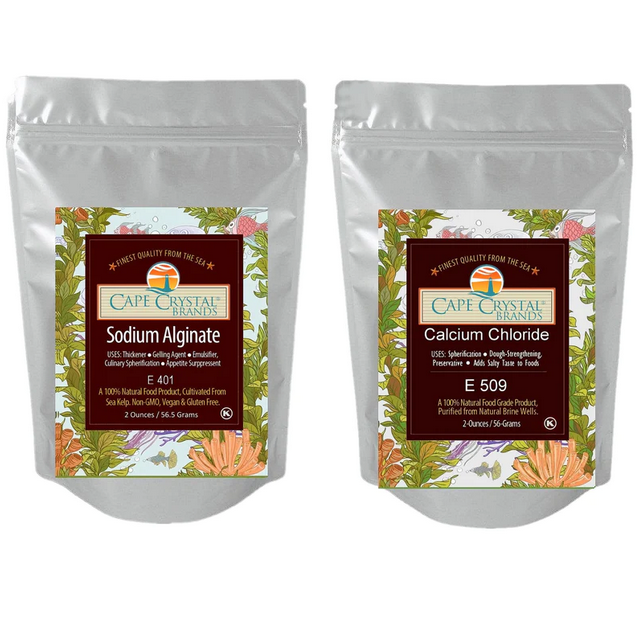
culinary style calls for some novel ingredients – like agar agar, alginate,
calcium chloride, fruit powders, guar gum, konjac gum, maltodextrin, pectin,
potassium bicarbonate, sunflower lecithin, etc. - that may not be available in
regular food and kitchen stores. While some may stock some of these exotic
items, the prices may be atrociously high. Cape Crystal Brands (https://www.capecrystalbrands.com/) is the answer to
sourcing such specialty cooking ingredients that are of good quality and yet in
an acceptable price range.


Comments
Post a Comment